
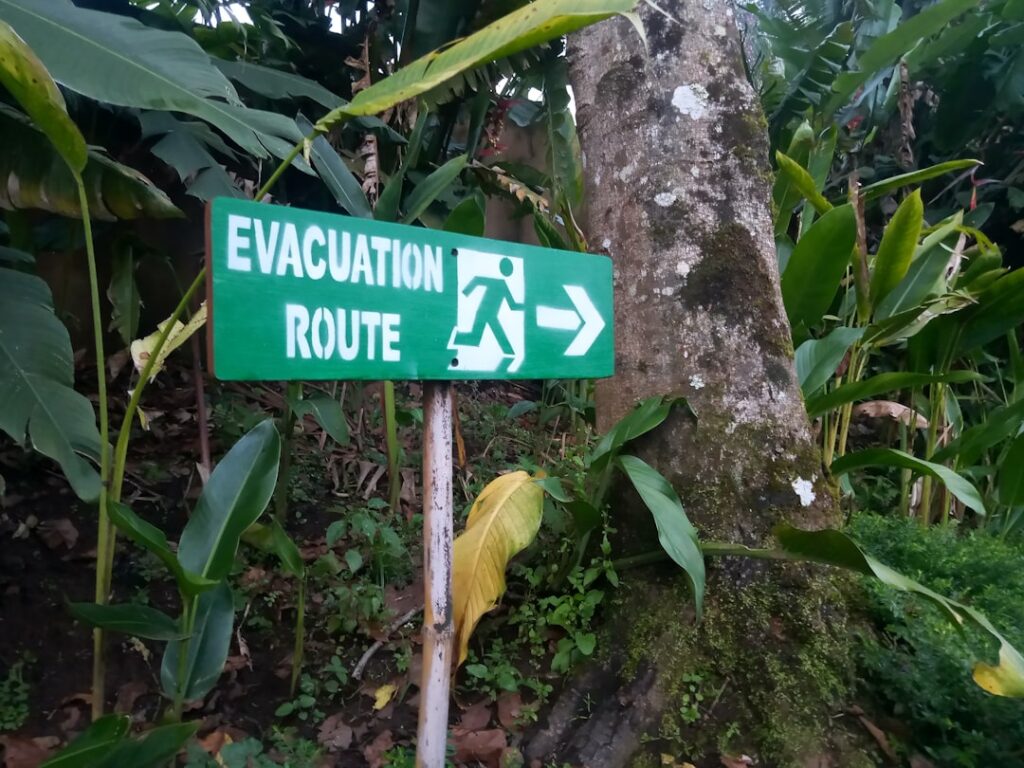
In emergency situations, time is of the essence. In Australia, the deployment of advanced alarm systems like the “evacuate now” alert has become increasingly relevant in the wake of rising natural disasters, urban developments, and healthcare facility demands. These systems are designed to improve emergency response and ensure the rapid and safe evacuation of people from potentially hazardous environments. Whether in schools, hospitals, public buildings or commercial complexes, the need for a reliable alarm system that can prompt immediate action is fundamental.
Australia’s unique climatic and environmental conditions make it particularly vulnerable to a range of emergencies, from bushfires and floods to severe storms and industrial accidents. In this context, having an integrated and responsive alert mechanism is not just a necessity but a public safety imperative. The “evacuate now” alarm serves as a clear, unambiguous instruction to evacuate a building or area without delay. Unlike general alarms that may signal a variety of issues, this specific command eliminates confusion and initiates a well-practised evacuation protocol.
One of the critical places where such alarms are essential is in healthcare facilities. Hospitals and aged care centres house vulnerable populations who may not be able to respond quickly without staff assistance. In these environments, the integration of nurse call systems with evacuation alarms significantly enhances the response time and overall coordination. An integrated system ensures that when an evacuation alarm is triggered, it simultaneously alerts the nursing staff, who can then prioritise the needs of patients based on mobility and medical condition. More information about these integrated systems can be found in solutions for evacuate now alarm australia setups, which are tailored for such critical environments.
In addition to healthcare, educational institutions across the country have also begun to adopt more sophisticated alarm systems. Schools often conduct regular evacuation drills, but the effectiveness of these drills depends largely on the clarity of the alert and the speed at which it can be communicated. A system that clearly states “evacuate now” removes any ambiguity and ensures that students and staff can exit the premises calmly and quickly. These systems are also often linked with centralised control panels that allow school administrators to monitor the evacuation process in real time.
Another significant factor in the successful implementation of these alarms is the interoperability with other emergency response systems. For instance, linking the alarms with fire detection units, public address systems, and even mobile notifications ensures that no one is left unaware during a crisis. This multi-pronged approach not only boosts the effectiveness of the alarm but also reduces the potential for chaos and miscommunication during emergencies.
Training and awareness are also critical components. Simply installing an “evacuate now” alarm system is not enough. Staff, residents, and regular occupants of any building must be trained to understand what the alarm means and how to respond. Routine drills, clear signage, and educational materials help reinforce the correct response to such alarms. In some facilities, digital screens and visual indicators supplement the auditory alarms, providing instructions for those who may be hearing impaired or in noisy environments.
Moreover, technological advancements now allow for remote monitoring and maintenance of these systems. Facility managers can receive updates, status reports, and maintenance alerts to ensure the system remains operational at all times. This proactive management helps avoid system failures and ensures that in the event of an actual emergency, the alarm will function as intended.
For public and private institutions seeking to implement or upgrade their emergency systems, it is vital to partner with providers who understand the specific requirements of the Australian context. From regulatory compliance to environmental challenges, a tailored approach is essential. Resources and guidance on these systems are available through various platforms, such as this overview of emergency communication solutions that address multiple layers of public safety.
Ultimately, the “evacuate now” alarm is more than just a sound. It is a critical component of a broader emergency preparedness strategy. When effectively integrated with other systems and supported by proper training and infrastructure, it can save lives and reduce harm. As Australia continues to face complex emergency scenarios, the adoption and development of such alarm systems will remain a priority for communities, institutions, and governments alike.