Stepping into a coffee shop, the bar area sets the tone immediately. Its design isn’t just about looking good; it needs to work hard. An efficient layout helps baristas move swiftly, keeping queues short and customers happy. For example, positioning the espresso machine near the front makes grabbing shots quick and straightforward. Meanwhile, a neatly arranged pastry case within sight entices people right as they walk in, often nudging impulse buys.
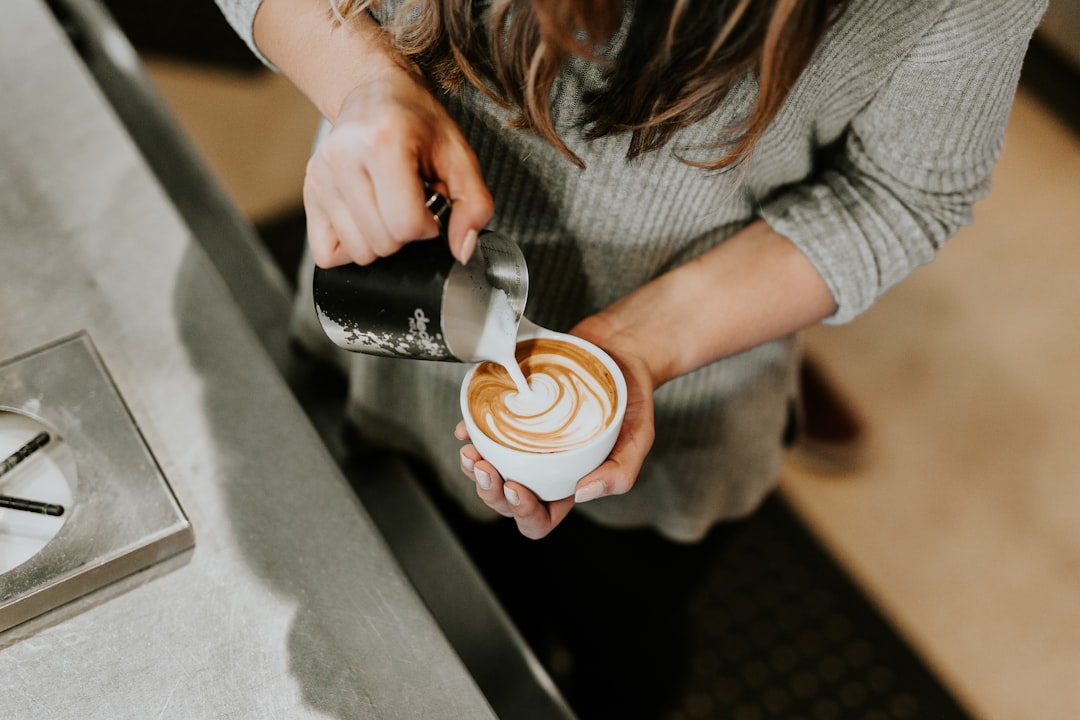
A smart approach is zoning the bar into clear sections. Keep the espresso station stocked with all essentials close at hand: tamper, knock box, and steaming pitcher. Brew zones might feature pour-over kettles and grinders arranged for smooth workflow. This separation reduces clutter, cuts down on wasted movement, and speeds up service during busy periods. Choosing surfaces that wipe clean easily, like stainless steel or sealed wood, also saves time during hectic shifts.
Lighting deserves more attention than it usually gets. Warm, soft lights create a welcoming vibe that makes customers want to linger. Task lighting above the bar keeps the workspace bright without causing glare, so baristas don’t strain their eyes crafting drinks. Combining ambient and focused lighting balances atmosphere and practicality, highlighting products while supporting efficient preparation.
Noise levels influence how people experience a coffee shop too. Loud chatter or clattering can push customers out early. Adding sound-absorbing panels or placing upholstered seating helps soften the overall soundscape. These tweaks turn the space into a more comfortable spot for conversations or quiet moments, encouraging guests to stay longer.
Technology integration boosts daily operations in subtle but meaningful ways. A point-of-sale system linked to inventory lets owners track stock on-the-fly and spot trends fast. Mobile ordering options cater to customers who prefer skipping lines, letting them grab their drinks at their own pace. Simple tech choices like these reduce friction and improve flow behind the counter.
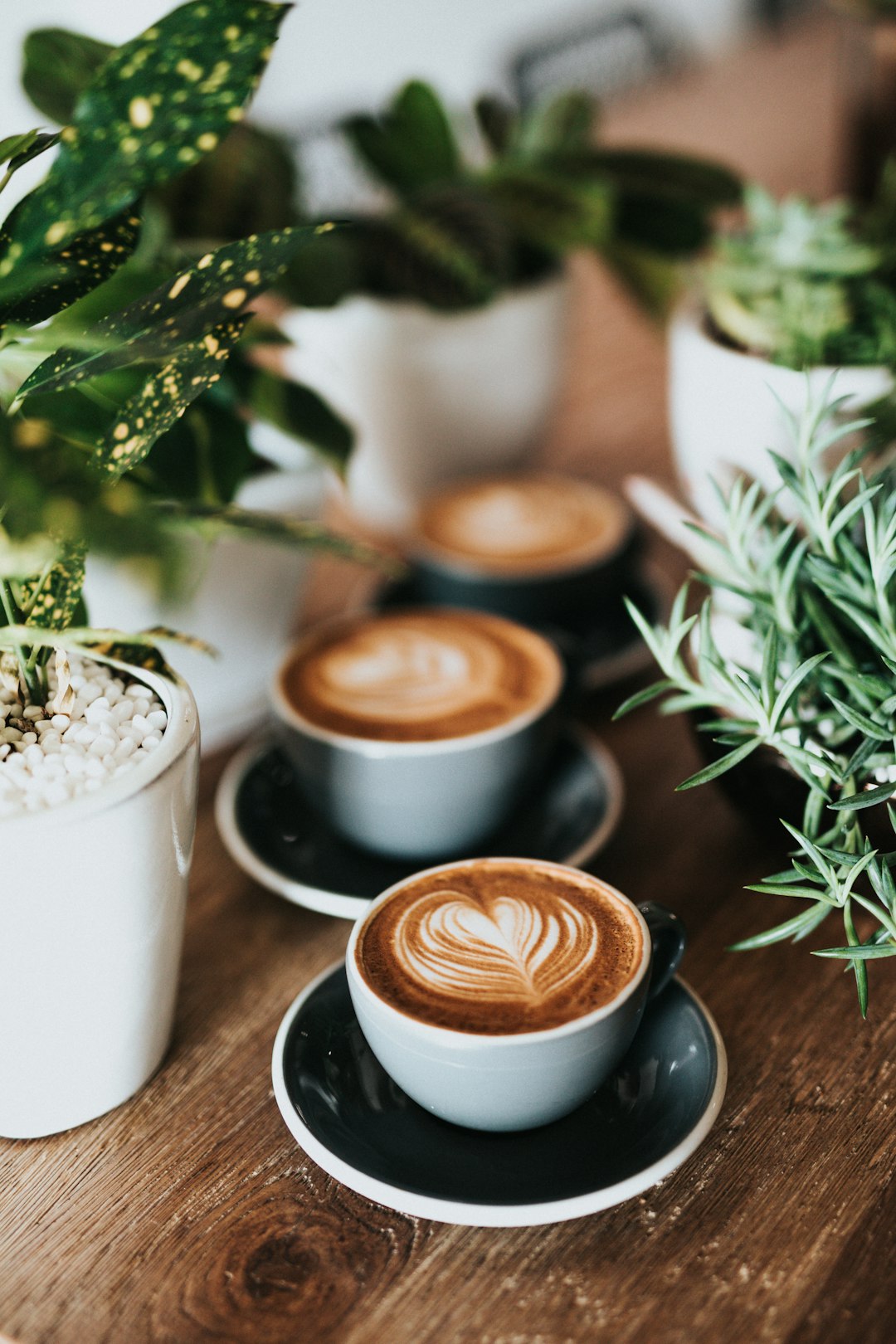
Branding is more than signage on the wall. Thoughtful decor elements, from custom coffee cups to unique artwork, tie the space together and make it memorable. Such details invite repeat visits by creating a distinct identity that customers recognize and appreciate. One practical habit is regularly updating menu boards and decor to reflect seasonal changes or promotions without cluttering the visual field.
If you want to explore effective coffee shop bar design deeply, consider checking out a dedicated course focused on coffee shop bar design. These courses often include real-world tips from seasoned owners who’ve dealt with common pitfalls like cramped workstations or confusing customer flow.
For broader coffee business guidance, resources like small business coffee advice offer practical help on topics ranging from supplier selection to customer retention strategies.
Every detail matters in creating a coffee bar that works well and feels inviting. Thoughtful layout choices, proper lighting, noise control, tech tools, and cohesive branding all contribute to an environment that keeps customers coming back and baristas working smoothly.