Picture someone who twists their knee while playing sport on the weekend. The pain hits immediately, and they’re unsure what to do next. This is a typical situation that brings people to physiotherapy in Edgecliff. Here, physiotherapy is more than just relief; it’s a carefully planned recovery process tailored to individual needs. Whether you’re healing from a sports injury or getting back on your feet after surgery, physiotherapy aims to rebuild strength and restore movement safely.
When you first visit, expect a detailed assessment. A therapist will review your medical background and ask about your symptoms. This step isn’t just routine paperwork; it’s the foundation for creating a treatment plan that fits your exact condition. You might notice therapists taking notes or even asking you to perform simple movements to gauge your range of motion and pain levels. It’s common for therapists to explain why they’re focusing on certain areas, this helps clear up confusion about what’s happening.
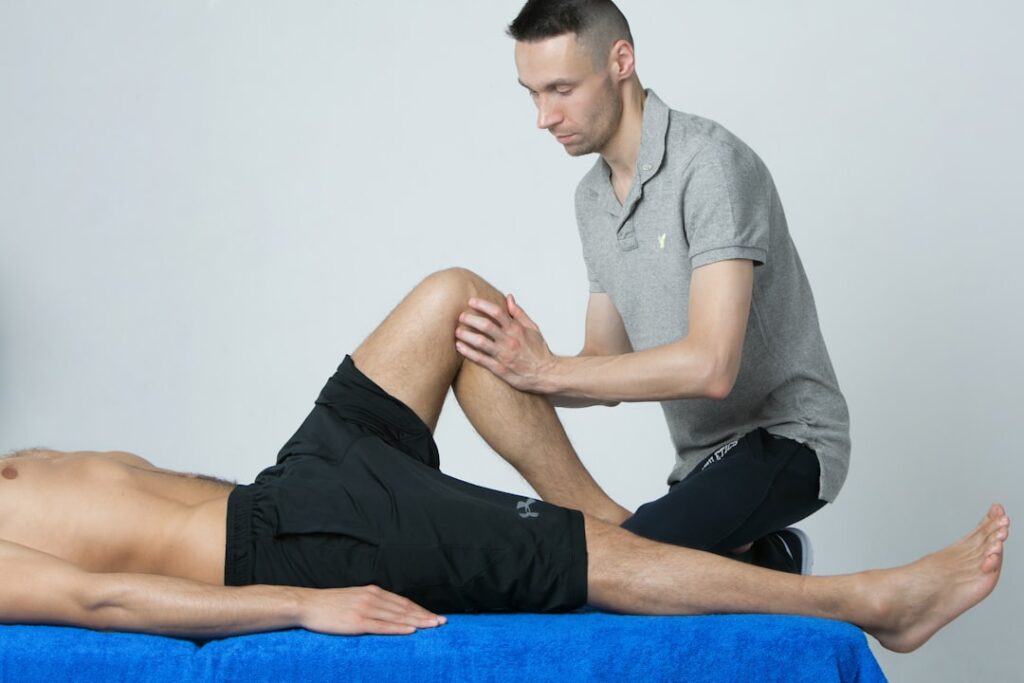
Treatment methods vary but often include manual therapy, where hands-on techniques loosen stiff joints and ease muscle tension. Alongside this, you’ll get targeted exercises designed to strengthen weak muscles and improve joint stability. For example, an athlete recovering from an ACL tear will be guided through progressive strength training and balance drills before returning to play. Therapists also emphasize the importance of consistency with these exercises at home, since skipping them can slow progress or cause setbacks.
Physiotherapy isn’t just for athletes or post-surgery patients. Anyone experiencing ongoing pain, arthritis symptoms, or even concussion effects can benefit. Early treatment often prevents minor problems from worsening. For instance, addressing muscle imbalances around the knee early can stop chronic pain from developing later. Some patients initially underestimate their injury, thinking rest alone will fix it, but physiotherapy offers active steps that lead to better outcomes.
Beyond injury care, physiotherapy helps maintain general wellbeing. Techniques such as dry needling can reduce muscle tightness, while electrotherapy might support healing in stubborn cases. Therapists often provide advice on posture and ergonomics too, which patients find useful when trying to avoid flare-ups at work or during daily activities. These practical tips empower people to manage their own health rather than relying solely on treatments.
Before your first appointment at BeFit, know that your therapist will want to understand your goals. They’ll ask what activities are important to you and what challenges you face. It’s common for therapists to demonstrate exercises during the session to assess how well you can perform them and adjust as needed. This collaborative approach ensures the plan matches your lifestyle and recovery speed.
The frequency of sessions depends on how severe your condition is and how quickly you improve. Some start with two or three visits per week, tapering off as they regain function. Regular follow-ups are common so therapists can modify exercises or address new issues that arise. Patients sometimes assume that once pain decreases, they can stop therapy entirely, but ongoing work is often necessary to prevent relapse.
If you’re dealing with musculoskeletal problems or want to improve your athletic performance, exploring physiotherapy options in Edgecliff makes sense. Personalized care based on proven methods helps manage pain and restores movement efficiently. For more detailed information about services nearby, visit physio edgecliff. You can also find additional resources and contact details at .