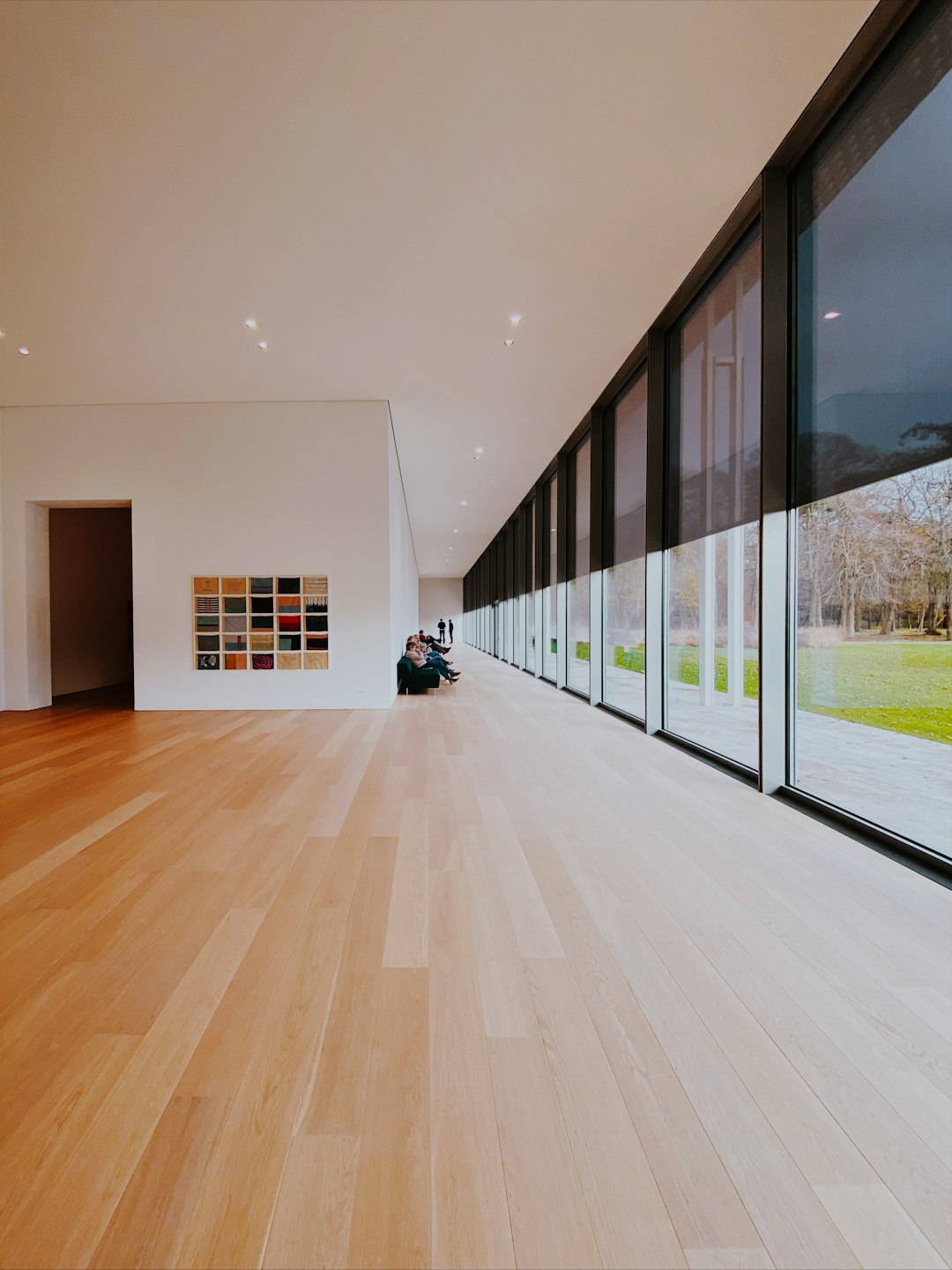
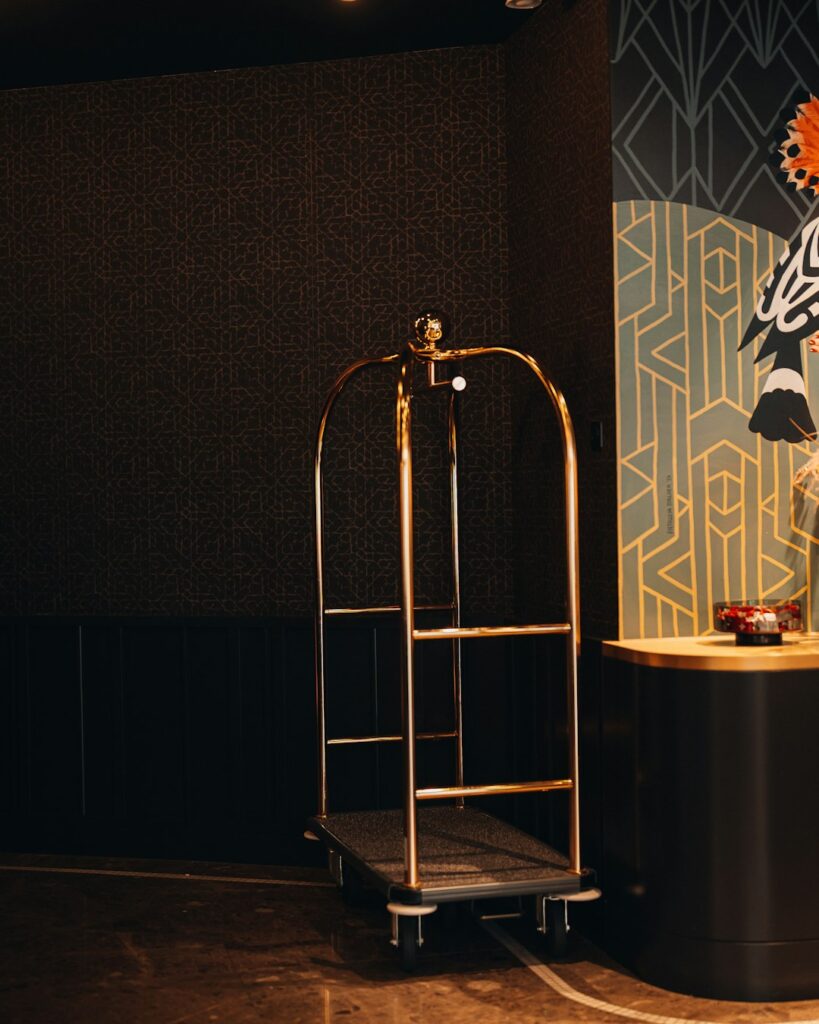
Picture walking into a new café in Sydney where the design immediately feels warm but polished. Every detail inside, from the choice of lighting to the layout, reflects the brand’s personality without getting in the way of comfort. Yet behind many hospitality spaces like this, there’s often a rushed fitout process that sacrifices function for style. It’s common to see places that look great but staff find frustrating to work in, or customers struggle to feel at ease.
A frequent oversight is poor space planning. Owners might want an open plan with trendy chairs and tables but forget to think through how waiters will weave through crowds during peak hours or how kitchen deliveries will be managed without blocking aisles. Successful designs consider these flow patterns early, ensuring that movement is smooth and workstations are logically arranged. For example, placing the service station near main dining areas can cut down unnecessary steps and speed up service.
Concept clarity is another area where projects falter. Without a strong guiding vision, design elements can clash. Imagine a bar aiming for a rustic vibe but ending up with mismatched furniture and colors because the theme wasn’t nailed down from the start. Involving a creative director or interior designer early helps keep the look consistent, from wall finishes to seating styles, making the space feel intentional rather than thrown together.
Consulting specialists experienced in hospitality can also prevent common pitfalls. They often review lease agreements or inspect sites to flag issues like poor ventilation or sound problems before signing contracts. These experts can coordinate tradespeople and manage timelines so fitouts don’t drag on or blow budgets. They know to build in buffer days for unexpected delays like delivery hold-ups or council inspections, which saves owners from frantic last-minute changes.
The customer journey through the venue deserves detailed attention. From the moment someone steps inside, every touchpoint influences their experience. Intimate booths tucked away in corners invite quiet conversation, while central communal tables encourage a buzz of activity. Lighting levels might shift between lunch and dinner service to match different moods. Good styling considers these shifts and uses materials that age well under heavy use, such as fabrics resistant to stains and wear.
Small practical steps can save headaches later on. For instance, preparing a detailed scope of works document helps keep everyone on the same page about what’s included and what’s not. Regular site meetings with contractors avoid misunderstandings about finishes or fixture placements. Also, checking local council requirements early prevents costly redesigns due to non-compliance with fire safety or accessibility standards.
If you’re ready to transform your hospitality space, working with professionals who specialise in hospitality fitouts sydney is a good move. They understand how to balance style with operational needs, tailoring designs that reflect your brand’s identity while making daily work easier for your team.
For additional advice on creating spaces that work hard and look inviting, explore options at practical hospitality design ideas. Thoughtful interiors shaped by real-world experience make a lasting impression on guests and help build loyal customers.