
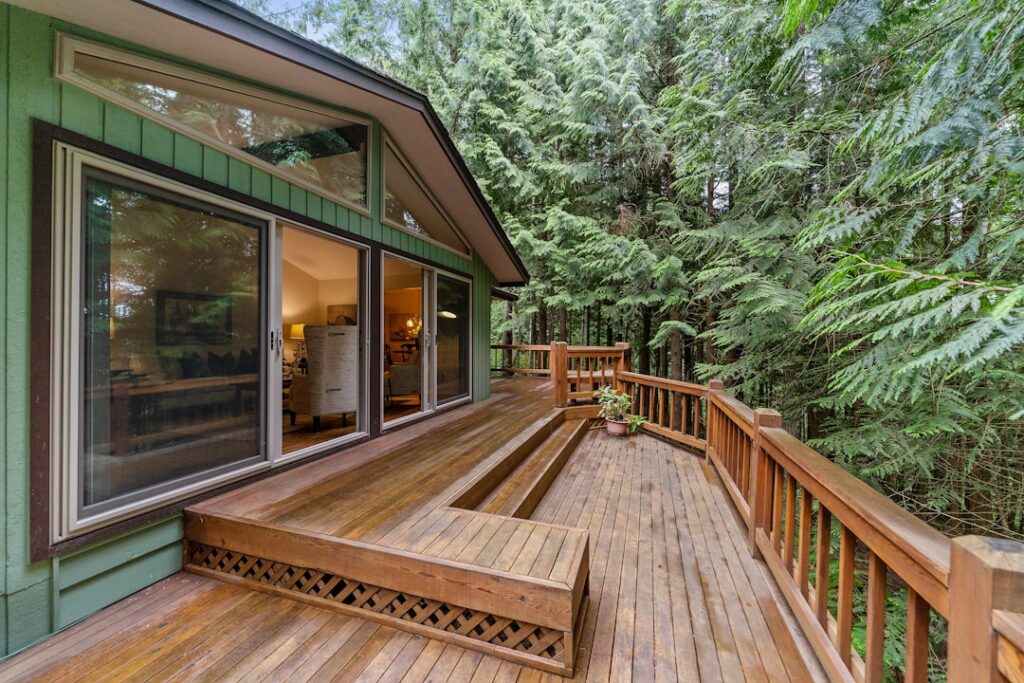
Planning a summer barbecue only to find your composite deck warped or faded after a season is frustrating but avoidable. Composite decking offers durability and a great look, but many homeowners overlook the specific care and installation details needed to keep it that way. Skipping these steps can lead to expensive fixes and disappointment down the line.
One mistake that often causes problems is ignoring proper drainage. Composite decks need a slight slope, roughly 1/8 inch per foot, to let water flow off. Without this, water pools and encourages mold growth or damages the deck’s structure. For example, decks installed flush and level with a house wall can trap moisture, causing dark stains or slippery surfaces. Checking for proper pitch before installation saves headaches later.
Cleaning also trips up many owners. Household cleaners with bleach or harsh chemicals might seem effective on stains but can discolor or degrade the composite surface. Instead, use a soft brush with mild soap and warm water for regular cleaning. Avoid pressure washers set too high, which can gouge the boards. Keeping a cleaning schedule every few months helps prevent buildup of dirt and mildew.
Temperature changes cause composite boards to expand and contract. If installers don’t leave enough gap between boards, usually between 3/16 to 1/4 inch, boards may buckle or crack over time. This is a common complaint at gatherings when people notice uneven or lifting boards. Following manufacturer spacing guidelines during installation is crucial to avoid this.
Fasteners matter too. Using standard screws may seem fine, but composite decking requires corrosion-resistant, coated fasteners designed to hold up outdoors without damaging the material. Wrong screws can rust, stain the deck, or fail structurally. Professionals often recommend stainless steel or specially coated composite screws paired with hidden fastener systems to maintain a clean look and long-lasting hold.
Many homeowners don’t realize how important it is to consult installation manuals thoroughly. These documents detail the correct board spacing, slope requirements, fastening techniques, and cleaning tips specific to each product line. A simple misread or assumption can lead to costly mistakes. Taking time to read or asking for professional advice reduces guesswork.
If you want to improve your outdoor space with long-lasting options, consider exploring composite decking. These materials can fit various lifestyles while resisting rot and insect damage better than traditional wood. Investing in quality materials and installation saves money over time by avoiding repairs caused by shortcuts.
Keep an eye on new outdoor living trends too. Features like integrated lighting systems built into decking or advanced weather-resistant coatings are becoming popular. Staying aware of these developments helps you make better upkeep choices and upgrades when the time comes. For detailed advice on outdoor living improvements, check resources at outdoor deck maintenance tips. These guides cover practical aspects like seasonal inspections and stain touch-ups that extend your deck’s life.