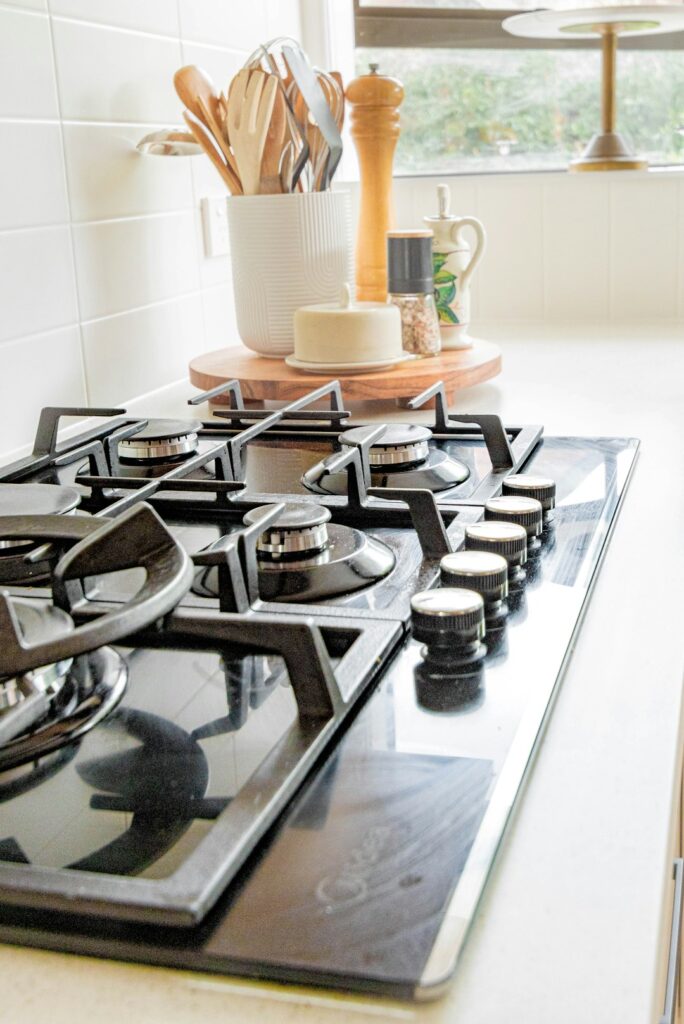
Your kitchen benchtops are one of the hardest working surfaces in the house. Over time, they show scratches, stains, and wear that can make the whole space feel tired. Replacing them outright often means tearing out the existing surface, dealing with dust and noise, and waiting weeks for installation. Stone benchtop resurfacing offers a faster alternative that refreshes your kitchen’s look without the mess of a full renovation. Instead of ripping out your old benchtops, a skilled installer applies a new stone layer over what you already have, saving both time and money.
The resurfacing process involves bonding a thin stone layer, commonly around 7mm thick, directly onto your existing benchtop. This thickness is carefully chosen to provide durability without adding excessive weight that could strain cabinets or complicate fitting. Thinner layers risk chipping, while thicker ones add bulk and often require extra reinforcement. The 7mm option strikes a practical balance that installers appreciate. Before work begins, it’s standard practice to inspect the surface for damage or unevenness, since these can affect adhesion and final finish.
Stone surfaces outperform laminate and other materials when it comes to resisting scratches and stains. Laminate can peel or discolour over time, especially in busy kitchens where spills and heat exposure are common. Applying a stone overlay creates a hardwearing barrier that stands up to daily use better. For households with kids or pets, this durability matters. It also benefits commercial spaces like cafés, where benchtops handle constant traffic and need to maintain a clean, attractive appearance without frequent replacement.
Design options with stone are surprisingly versatile. You’re not limited to one style or colour. Granite offers a dense, speckled look; marble brings natural veining and elegance; engineered stone gives consistent patterns with added strength. Choosing the right finish, whether polished for shine or honed for matte texture, affects both aesthetics and maintenance. For instance, honed surfaces hide scratches better but can show stains if not sealed properly. Discussing your lifestyle and kitchen use with your installer helps match material choices to how you live.
One detail often overlooked is how installers protect surrounding areas during resurfacing. Dust control measures and careful masking prevent damage to cabinets and appliances. A typical job includes sanding the old surface lightly, cleaning thoroughly, applying the stone adhesive, then finishing with sealants that enhance water resistance. After installation, you’ll likely receive care instructions including which cleaning products to avoid and how often to reseal the surface. Following these guidelines extends the life of your benchtops and keeps them looking fresh.
Time savings stand out with resurfacing. While a full benchtop replacement may require multiple tradespeople and days of disruption, resurfacing can often be completed within two to three days for an average kitchen. This quick turnaround means less interruption to cooking routines or business operations if it’s a commercial site. However, installers usually recommend scheduling work when you can clear benches and limit moisture exposure during curing periods.
Warranty coverage is another factor to scrutinize before committing. Reliable providers back their work with warranties covering issues like delamination or surface defects for a set period after installation. This warranty typically excludes damage from misuse or improper maintenance, so understanding what’s covered helps avoid surprises later. When researching stone benchtops melbourne, ask specifically about warranty terms and conditions in writing.
If you want to explore the range of stone options available for your kitchen or commercial space, consider visiting melbourne kitchen benchtop designs. Seeing samples in person can clarify colour choices and textures better than photos alone. It also gives you a chance to discuss practical concerns like installation timing, preparation steps, and aftercare advice directly with suppliers who understand local conditions and requirements.